
- Posted on
- • Uncategorized
HOW TO GO VIRAL WITHOUT PAYING FOR ADS (ULTIMATE ORGANIC GROWTH GUIDE)
- Author
-
-

- User
- AishaEDW
- Posts by this author
- Posts by this author
-

Going viral without paying for ads is possible when you understand how to create content that people want to watch, read, share, and engage with. While paid promotion can help increase visibility, organic growth is built through valuable content, consistency, audience understanding, and smart distribution.
For businesses, going viral is not just about getting views. It is about attracting the right audience, increasing brand awareness, building trust, and turning attention into meaningful results. This guide explains practical strategies businesses can use to increase their chances of going viral without spending money on ads.
1. Understand What Going Viral Really Means

Going viral means your content spreads quickly from person to person, reaching a much larger audience than usual. This usually happens when people engage with your content by liking, commenting, saving, sharing, or reposting it.
For businesses, viral content should have a clear purpose. It should support goals such as brand awareness, website traffic, lead generation, customer trust, or sales.
A viral post that gets attention but does not connect to your business message may bring temporary visibility without long-term value. That is why every piece of content should be created with both audience interest and business goals in mind.
2. Know Your Target Audience
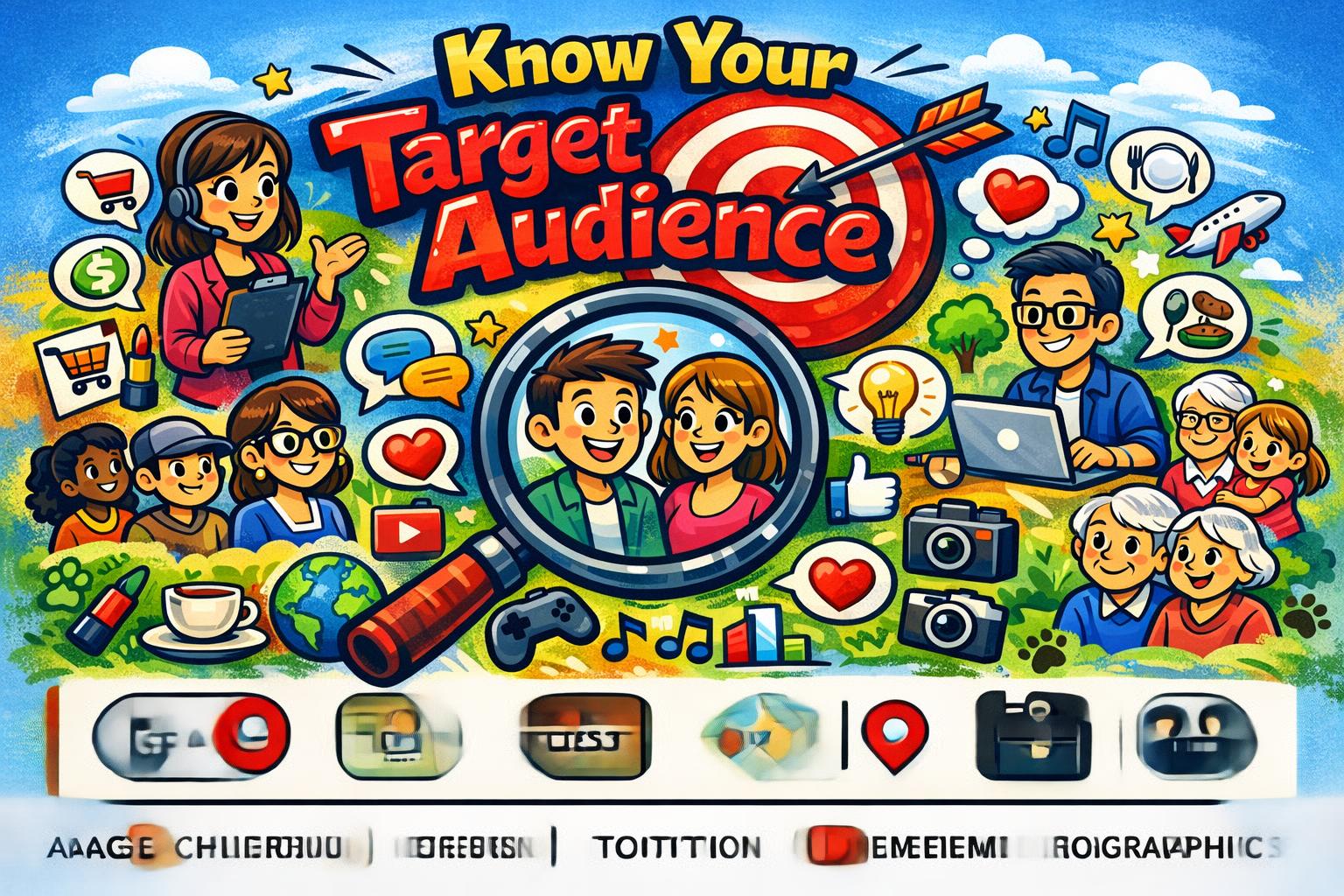
Understanding your audience is one of the most important parts of organic growth. Content performs better when it speaks directly to the needs, problems, interests, and emotions of the people you want to reach.
Businesses should identify:
- Who their ideal customers are
- What problems they face
- What type of content they consume
- What platforms they use most
- What questions they frequently ask
- What motivates them to share content
When you understand your audience clearly, it becomes easier to create content that feels relevant and valuable.
3. Create Strong Hooks That Capture Attention

The beginning of your content matters. On social media, people scroll quickly, so your first few seconds or first few lines must give them a reason to stay.
A strong hook creates curiosity, highlights a problem, promises value, or challenges a common belief.
Examples of strong hooks include:
- “Most businesses make this mistake on social media.”
- “Here’s why your content is not getting engagement.”
- “Stop doing this if you want to grow online.”
- “This simple strategy can improve your organic reach.”
- “Here’s how small brands can get noticed without ads.”
A good hook makes people want to continue reading or watching, which improves engagement and increases the chances of wider reach.
4. Make Your Content Useful and Shareable
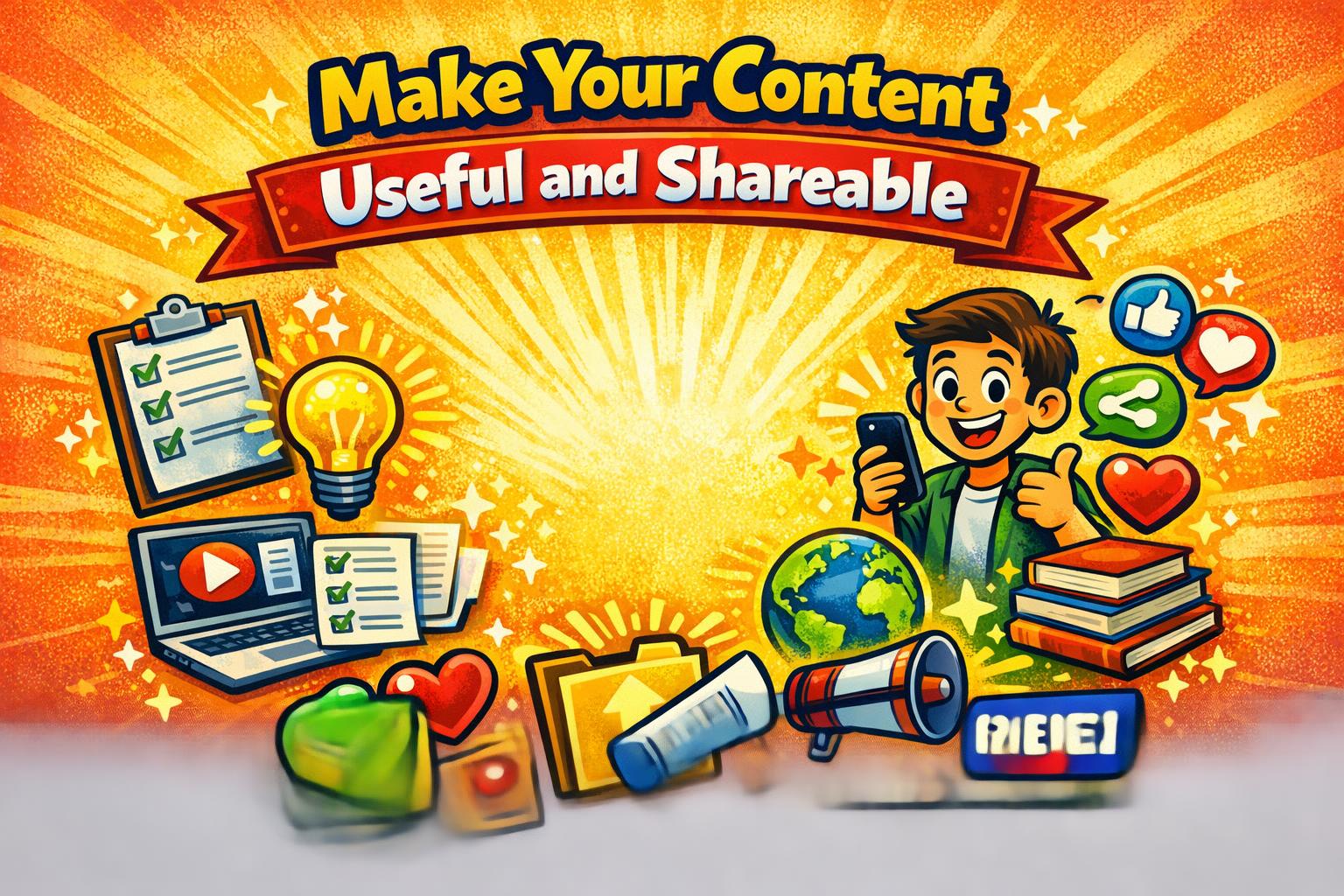
People share content when it provides value. This value can come in different forms, such as education, inspiration, entertainment, motivation, or practical advice.
For business content, useful formats include:
- Step-by-step guides
- Tips and tricks
- Mistakes to avoid
- Industry insights
- Before-and-after results
- Customer success stories
- Checklists
- Quick tutorials
- Myth-busting posts
The easier your content is to understand, the more likely people are to share it. Simple, clear, and practical content usually performs better than content that is too complex or overly promotional.
5. Focus on Storytelling

Storytelling helps businesses connect with people on a deeper level. Instead of only posting facts or product features, businesses can use stories to show experiences, lessons, challenges, and results. A strong business story may include:
- A problem the business or customer faced
- The process of solving it
- The lesson learned
- The result achieved
Stories make content more relatable and memorable. They also help humanize a brand, making people more likely to trust and engage with it.
6. Post Consistently
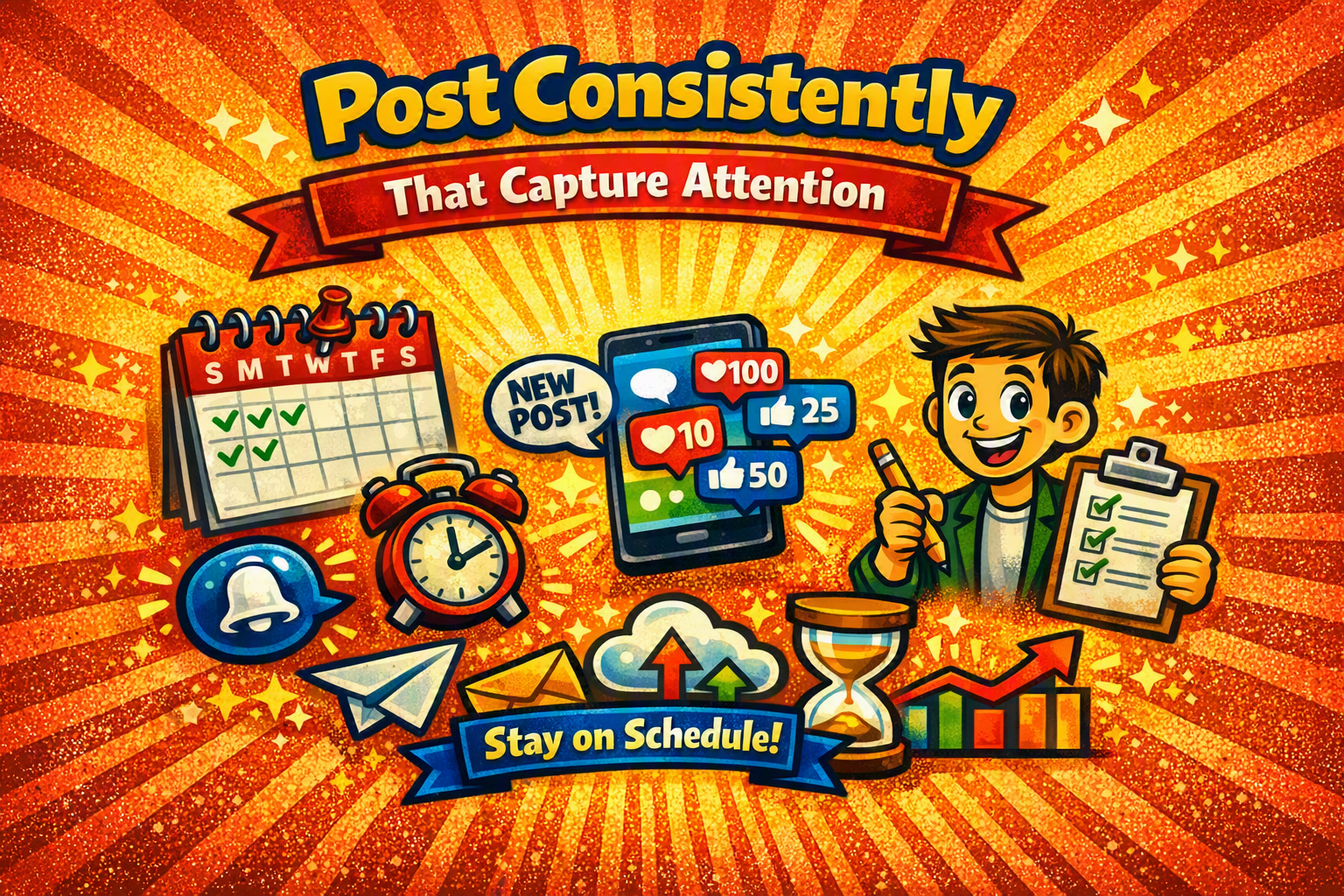
Consistency is important for organic growth. Posting regularly helps your audience recognize your brand and gives platforms more content to distribute. Consistency does not mean posting everywhere all the time. It means creating a realistic schedule and sticking to it. Businesses should focus on quality, relevance, and regular publishing. A simple content schedule may include:
- Educational posts
- Behind-the-scenes content
- Customer-focused content
- Product or service tips
- Industry updates
- Short videos
- Blog posts
The more consistently a business publishes valuable content, the more opportunities it has to reach new people organically.
7. Encourage Meaningful Engagement

Engagement is one of the strongest signals that content is valuable. When people comment, share, save, or respond to a post, platforms are more likely to show it to more users. Businesses can encourage engagement by creating content that invites opinions, answers common questions, or starts conversations. Effective engagement strategies include:
- Asking relevant questions
- Responding to comments quickly
- Sharing audience feedback
- Creating discussion-based posts
- Posting relatable content
- Encouraging users to share their experience
The goal is to build real conversations, not just chase likes.
8. Use Trends Strategically

Trends can help increase visibility, but businesses should use them carefully. Not every trend will fit every brand. The best approach is to adapt trends to your niche, audience, and business message. A trend should support your brand identity instead of making your content feel random or forced. Businesses can use trends by:
- Connecting trending topics to their industry
- Using popular formats with original ideas
- Adding expert opinions
- Creating educational content around trending conversations
- Using trending sounds or styles where appropriate
Originality is what makes trend-based content stand out.
9. Repurpose Content Across Platforms
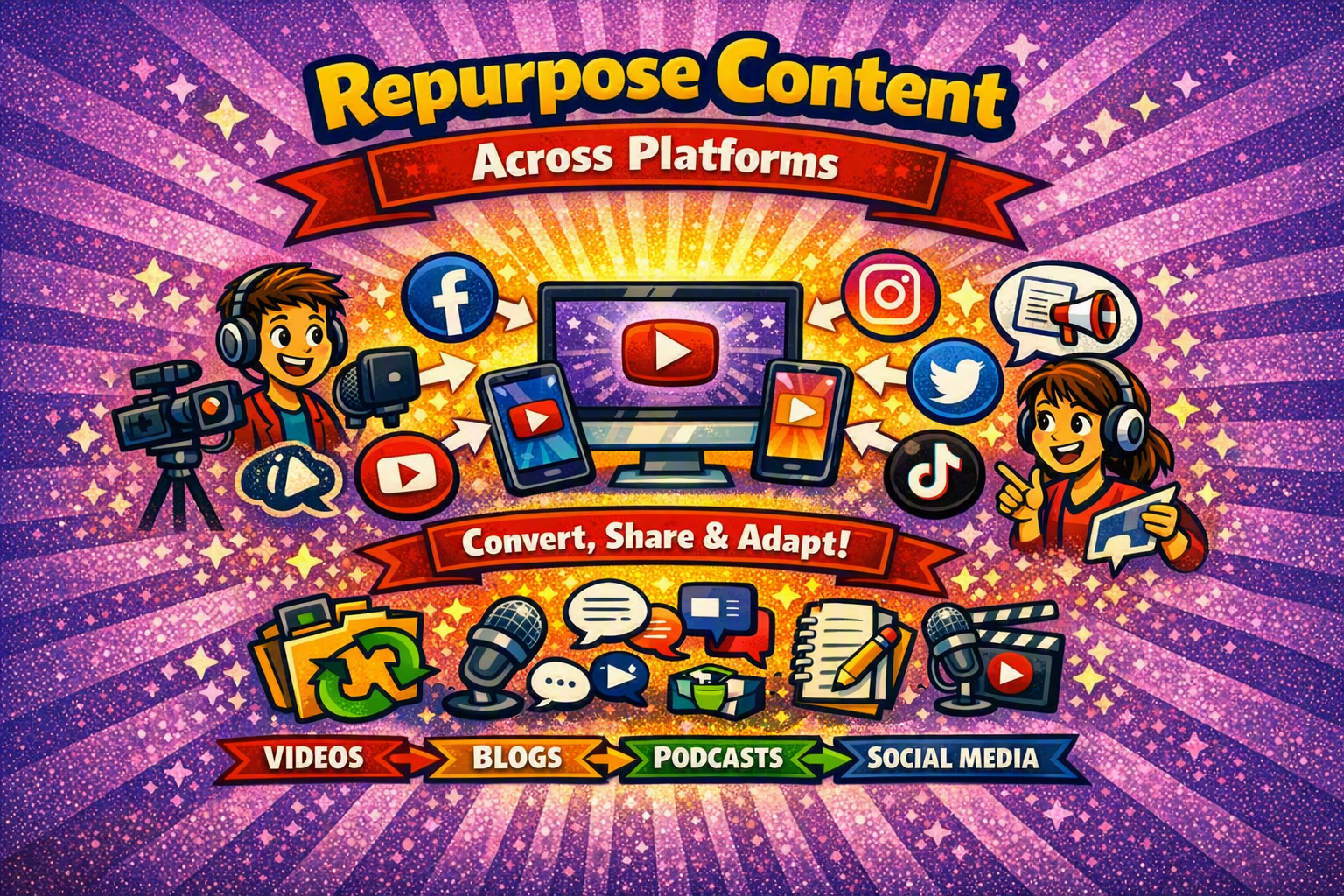
Repurposing content allows businesses to get more value from one idea. A single blog post, video, or social media post can be turned into multiple pieces of content for different platforms.
For example:
- A blog post can become an Instagram carousel
- A video can become a YouTube Short or Reel
- A customer question can become a social media post
- A long guide can become several short tips
- A case study can become a LinkedIn post
Repurposing saves time and helps businesses reach audiences in different formats.
10. Study Analytics and Improve

Organic growth requires testing and improvement. Businesses should regularly review analytics to understand what type of content performs best.
Important metrics to monitor include:
- Views
- Reach
- Shares
- Saves
- Comments
- Clicks
- Watch time
- Follower growth
- Website traffic
Analytics show what the audience responds to. Once a business identifies successful content patterns, it can create more content around similar topics, formats, and styles.
11. Build Trust Before Selling

People are more likely to engage with and share content from brands they trust. Businesses should focus on providing value before constantly promoting products or services. Trust-building content includes:
- Educational tips
- Honest advice
- Customer testimonials
- Behind-the-scenes content
- Helpful resources
- Industry expertise
- Transparent communication
When a brand consistently helps its audience, people are more likely to remember, follow, recommend, and buy from it.
12. Create Content With a Clear Purpose
Every piece of content should have a clear goal. Some posts may be designed to educate, while others may be created to entertain, inspire, build trust, or drive traffic. Before creating content, businesses should know whether the goal is to:
- Increase awareness
- Generate engagement
- Drive website visits
- Build an email list
- Promote a product
- Answer customer questions
- Strengthen brand authority
Purposeful content is more effective because it connects audience interest with business objectives.
Conclusion
Going viral without paying for ads requires strategy, patience, and consistency. Businesses that understand their audience, create valuable content, use strong hooks, tell relatable stories, and study their analytics have a better chance of growing organically.
Organic growth is not about posting randomly and hoping for the best. It is about creating content that people find useful, interesting, and worth sharing. With the right approach, businesses can increase visibility, build trust, attract new customers, and grow online without depending on paid promotion.