
- Posted on
- • Uncategorized
How to Set Up Essential Systems for Your Growing Small Business
- Author
-
-

- User
- AishaEDW
- Posts by this author
- Posts by this author
-

How to Set Up Essential Systems for Your Growing Small Business
Growing a small commercial enterprise is exciting, but it can also become overwhelming without the right structure. Many entrepreneurs start by handling everything manually — recording sales in notebooks, tracking inventory based on reminders, and managing consumer requests through private messaging.
While this will work in the early stages, it will often become difficult as the business grows. Therefore, setting up good commercial enterprise systems is essential.
Business systems help small business stay prepared, improve productivity, reduce errors, and manage day-to-day operations more efficiently. Whether you run a retail store, online business, eatery, model logo, pharmacy, or on the carrier, the right systems allow you to save time and help the boom of the long-lasting periods.
In this guide, you’ll learn how to set up crucial systems in your growing small business and what those systems stand for.
What are business systems?
Business structures are tactics, tools, and methods used to control various elements of a business. These structures help companies run smoothly by organizing day-to-day tasks and improving performance.
Examples of business structures include:
- Sales Tracking Structures
- Inventory control structures
- Accounting Structures
- Customer control systems
- Communication systems
Without good systems in place, groups regularly struggle with disorganization, poor customer service, monetary confusion, and slow scaling.
Why Small Businesses Need Systems
Many small business owners agree that systems are essential only for large agencies. However, small groups benefit even more from organized structures in place.
Good business structures help you:
- Save time
- Reduce pressure
- Improve customer service
- Avoid high price mistakes
- Increase productivity
- Monitor company performance
- Supporting Business growth
As your commercial enterprise grows, it becomes extra difficult to handle the whole thing manually. Systems help create forms and make day-to-day operations less complicated to manage.
1. Set up a sales management system

One of the first systems every small business should set up is a sales management system. Properly tracking revenue makes it possible to understand what your business looks like and allows you to screen revenue, sales, and consumer stores for patterns.
An accurate sales system allows you to: • Record daily sales • Monitor overall performance of the company • Monitor revenue growth • Reduce calculation errors • Generate revenue estimates
Instead of relying on notebooks or scattered information, use digital equipment or software to prepare your income information. Accurate revenue tracking allows business owners to make smarter decisions and uncover opportunities for growth.
2. Create an inventory management system
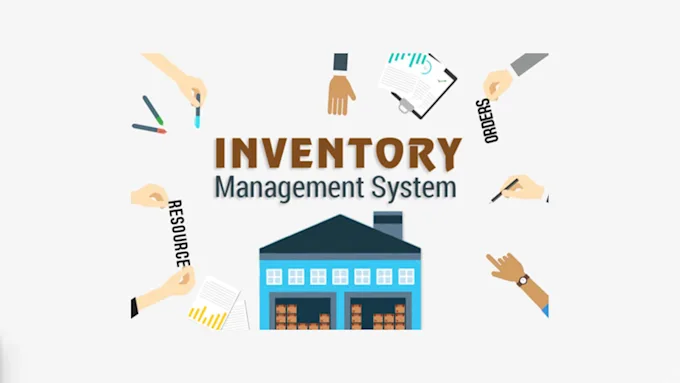
If your business sells products, inventory management is extremely important.
Poor inventory control can lead to: • Inventory running out • Overstock of products • Wasting money • Losing products • Delayed customer orders
An inventory management system allows businesses to track products moving in and out.
This system helps you to: • Monitor inventory ranges • Identify fast-selling merchandise • Reduce product losses • Avoid unnecessary purchases • Improve business enterprise
Even simple inventory structures can make a big difference in how smoothly your business runs.
3. Use an Accounting and Expense Tracking System

Financial management is one of the main challenges that many small businesses face. Without good accounting systems, it will become difficult to understand profits, manage expenses, and monitor cash flow.
An accounting system allows businesses to: • Track profits and fees • Monitor profit and loss • Manage cash flow • Budgeting • Prepare monetary reports
Maintaining accurate financial records facilitates business owners to make informed choices and plan for their destination growth.
You don’t want expensive software starting now. Simple bookkeeping tools or spreadsheets can work well for many small businesses.
4. Set up a customer management system

Customers are the inspiration for any successful business. As your customer base grows, it will become more difficult to verify the consumer data manually.
A customer management system helps businesses prepare for: • Customer Names and Call Information • Purchase History • Payment details • Customer requests • Communication History
This helps improve customer relations and customer service. Companies that maintain strong customer relationships often enjoy higher customer loyalty and repeat sales.
5. Create an invoicing and payment system
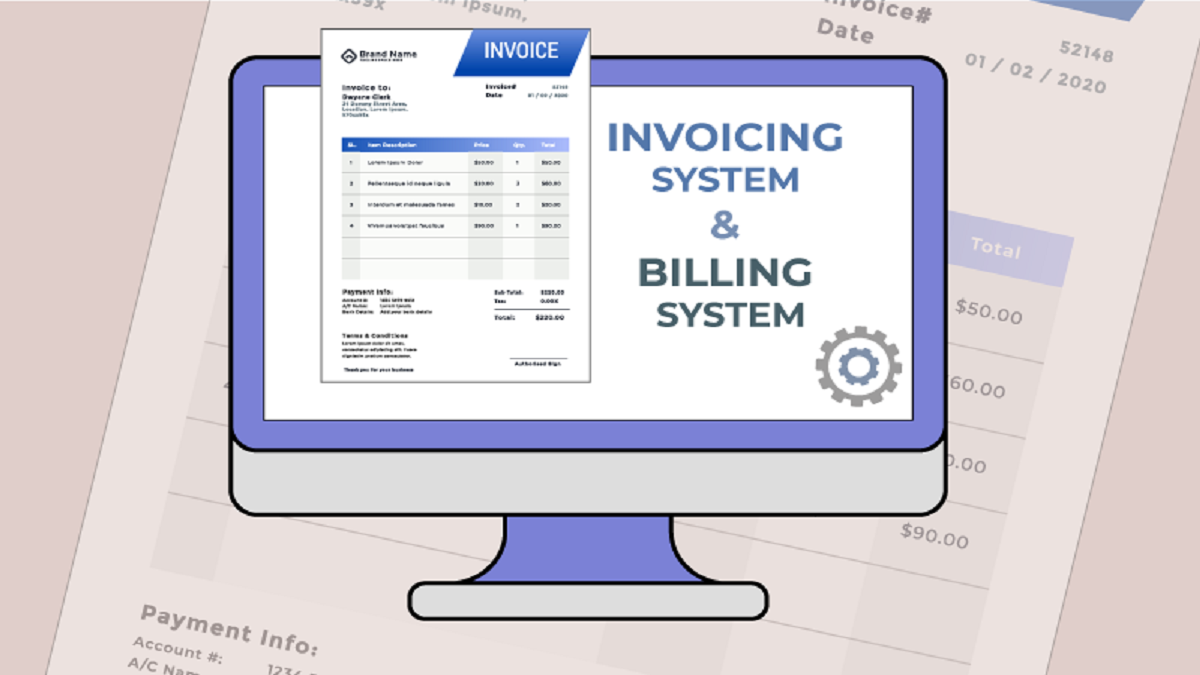
Professional invoices and receipt helps businesses seem more prepared and trustworthy.
An invoicing system allows businesses to: • Create invoices quickly • Send virtual receipts • Track consumer payments • Reduce delayed payments • Keep transaction records organized
This system is especially beneficial for freelancers, consultants, provider companies, wholesalers, and credit revenue companies. Simple pricing structures can also improve cash flow and make transactions less difficult for customers.
6. Improve Communication Systems

Good communication is essential for every client and business. Companies should create easy conversational structures, the use of systems, consisting of:
• Business email • WhatsApp Business • Customer support channels • Team messaging apps
Quick communication improves consumer satisfaction and allows agencies to respond quickly to issues.
Strong conversation systems also help teams stay organized and efficient.
7. Set up reporting and analytics systems

Growing organizations want accurate data to make smart choices.
A reporting tool helps commercial business owners recognize: • Sales Performance • Business boom • Customer behavior • Expenses • Profit Trends
Reports make it less complicated to discover what’s working and what needs development. Instead of making selections based on guesswork, organizations can use factual information to guide their strategies.
8. Create Simple Business Processes
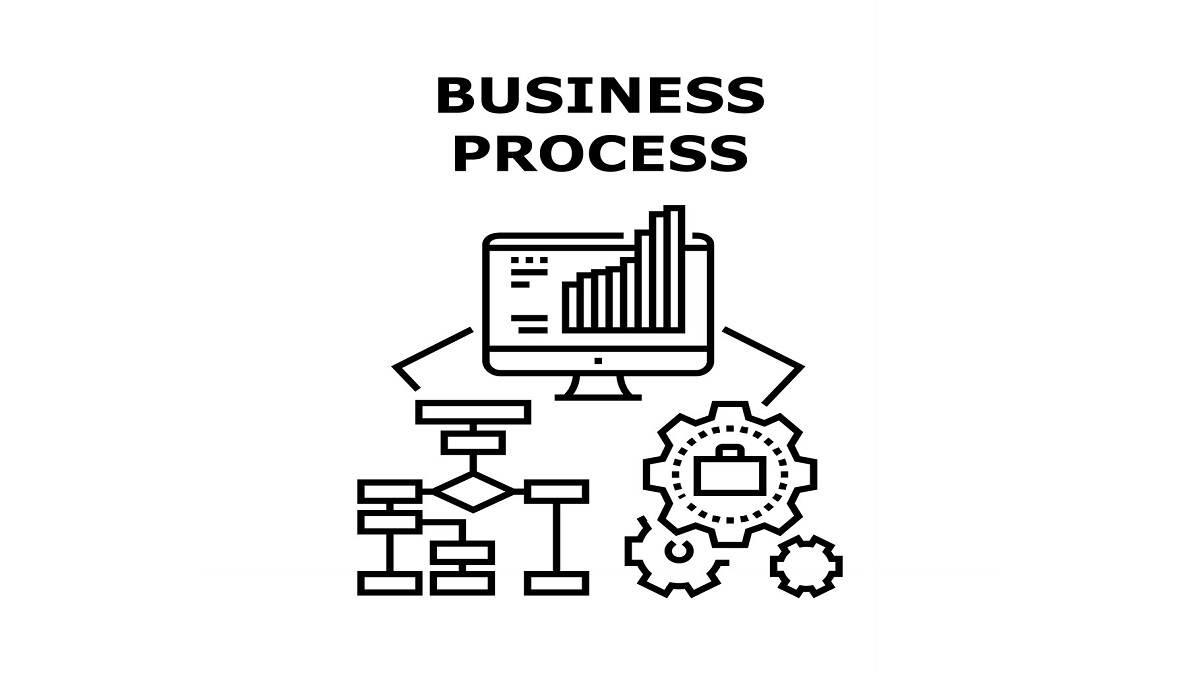
As businesses evolve, daily tasks can become difficult without clean procedures. Business processes are step-by-step methods for dealing with common routine activities.
Create simple processes for: • Record sales • Inventory management • Responding to customers • Handling payments • Opening and closing the business
Clear methods increase efficiency and reduce errors. They also make it less difficult to train staff as the commercial enterprise expands.
How to Choose the Right Business Systems
When choosing systems or tools in your business, focus on answers that are: • Easy to use • Affordable • Reliable • Mobile-friendly • Suitable for your business type
Avoid overly complicated structures that can slow down operations. The exceptional structures are the ones that simplify your work and help your commercial enterprise function extra effectively.
Conclusion
Establishing critical business systems is one of the smartest investments a small business can make. Strong systems help businesses stay organized, improve productivity, control pricing well, and provide superior customer service.
You don’t have to build the whole thing right away. Start with the most critical areas such as revenue tracking, inventory management, accounting, and vendor management. As your commercial enterprise grows, continue to improve your structures to help with long-term performance.
The earlier you build the right structures, the easier it will be to grow your small business with self-sufficiency and balance.