
- Posted on
- • Uncategorized
From Startup to Scale-Up: What Changes? A Complete Guide to Scaling Your Business Successfully
- Author
-
-

- User
- AishaEDW
- Posts by this author
- Posts by this author
-

Every entrepreneur dreams of building the next big success story. The excitement of launching a startup, landing your first customers, and watching revenue grow is hard to match. But as many founders quickly discover, growing a business and scaling a business are two very different challenges.
What helped you succeed as a startup may actually hold you back as you grow. The scrappy, fast-moving approach that worked when you had a team of five often becomes inefficient when you have fifty employees, thousands of customers, and increasing pressure from investors and stakeholders.
The transition from startup to scale-up is one of the most exciting—and demanding—stages of a company's journey. It requires new ways of thinking, leading, and operating. Understanding what changes during this phase can help founders navigate growth successfully and avoid common pitfalls.
Understanding the Difference Between a Startup and a Scale-Up
A startup is typically focused on finding product-market fit. At this stage, the business is trying to answer a critical question: Do enough people want what we're offering?
Founders spend much of their time testing ideas, gathering customer feedback, refining products, and searching for repeatable ways to generate revenue. Uncertainty is high, and survival is often the primary goal.
A scale-up, on the other hand, has already proven that customers want its product or service. The focus shifts from validation to expansion. Instead of asking whether the business model works, leaders are asking how they can serve more customers, enter new markets, and grow revenue without sacrificing quality. This shift sounds simple, but it changes nearly every aspect of the organization.
Leadership Must Shift from Doing to Directing
One of the biggest challenges founders face during scaling is learning to let go. In the early days, founders are involved in everything. They answer customer emails, negotiate deals, oversee marketing campaigns, and often solve operational problems themselves. This hands-on approach is often necessary during the startup phase.
However, as the business grows, the founder can become the biggest bottleneck. A company cannot scale if every decision requires approval from one person. Successful leaders learn to delegate responsibilities, trust their teams, and focus on setting the vision rather than managing every task.
The role of the founder evolves from being the primary problem-solver to becoming the architect of the company's future.
Processes Become More Important Than Speed
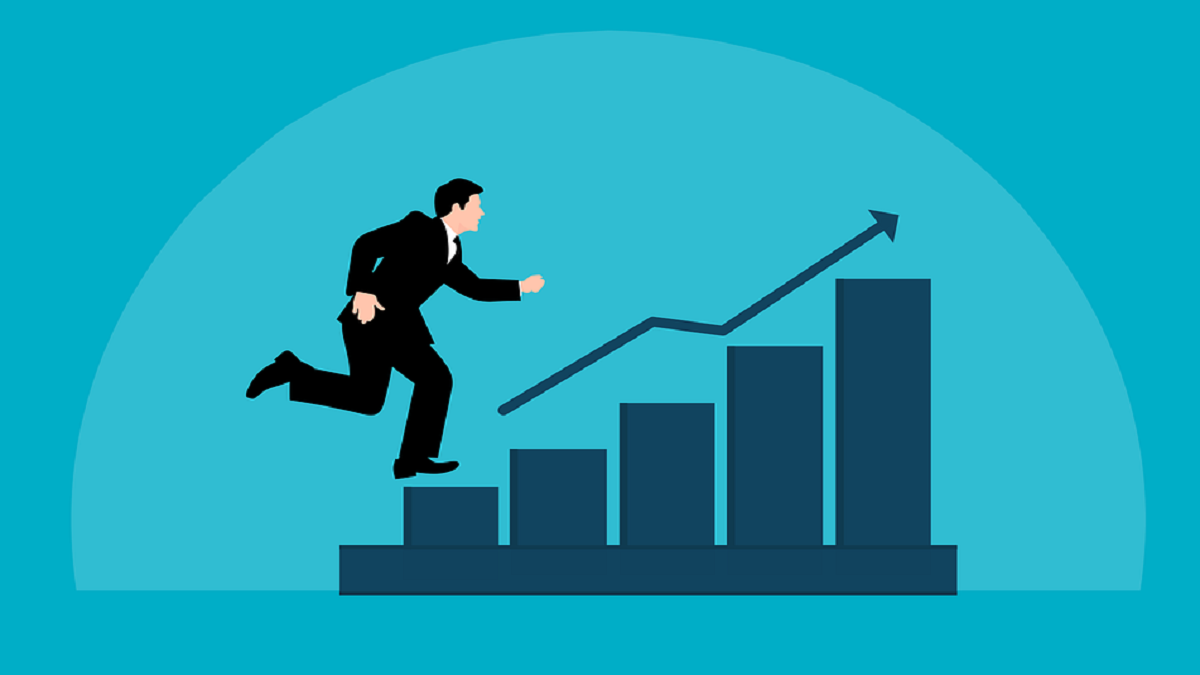
Startups are famous for moving fast. Decisions are made quickly, processes are flexible, and employees often find creative ways to get things done.
While this agility is a strength in the early stages, it eventually creates challenges. Imagine a company serving 50 customers with no formal support process. It may work fine because everyone knows what's happening. But what happens when that customer base grows to 5,000?
Without clear systems and documented procedures, mistakes become more common, communication breaks down, and customer satisfaction suffers. Scale-ups need repeatable processes for sales, customer service, onboarding, operations, and finance. Strong systems reduce confusion, improve efficiency, and create consistency across the entire organization.
In other words, scaling is not about working harder—it's about building systems that work smarter.
Hiring Becomes More Strategic

During the startup phase, companies often hire versatile individuals who can wear multiple hats. A single employee might manage customer support in the morning, social media in the afternoon, and business development before the day ends. This flexibility is valuable when resources are limited.
As a business scales, specialization becomes increasingly important. Companies begin hiring experienced professionals in areas such as marketing, finance, human resources, product management, and operations. These specialists bring expertise that helps the organization perform at a higher level.
At the same time, hiring decisions become more critical. A poor hire in a growing organization can affect productivity, morale, and company culture. That's why successful scale-ups invest heavily in recruitment, onboarding, and employee development.
Culture Must Be Protected

When a startup is small, culture develops naturally. Team members work closely together, communicate frequently, and share a common mission. Growth can change this dynamic quickly. As new employees join, teams become larger, and departments become more specialized, maintaining a strong culture requires deliberate effort.
Many companies assume culture will take care of itself, only to discover that rapid growth has diluted the values that made them successful in the first place. The best scale-ups actively communicate their mission, reinforce company values, and create opportunities for employees to feel connected to the organization's purpose. Leaders understand that culture is not a perk—it's a business asset that influences performance, retention, and customer experience.
Technology and Infrastructure Need to Scale

What works for a small business may not be enough for a growing one.
As customer demand increases, companies need technology that can support larger workloads, improve efficiency, and provide valuable insights. Tasks that were once managed manually often need to be automated.
Customer relationship management systems, data analytics platforms, project management tools, and cloud-based infrastructure become essential for supporting growth. Technology should enable expansion, not limit it. Businesses that fail to upgrade their systems often struggle with inefficiencies, downtime, and poor customer experiences during periods of rapid growth.
Customer Expectations Grow Alongside the Business
Ironically, growth can create new challenges with customer satisfaction.
As a company becomes more successful, customers expect higher levels of service, faster response times, and more consistent experiences. A mistake that might have gone unnoticed when the company was small can quickly damage its reputation as it grows.
This is why the most successful scale-ups remain deeply customer-focused. They continue gathering feedback, improving their products, and investing in customer support even as they expand. Growth attracts customers, but exceptional experiences keep them loyal.
Common Mistakes When Scaling a Startup
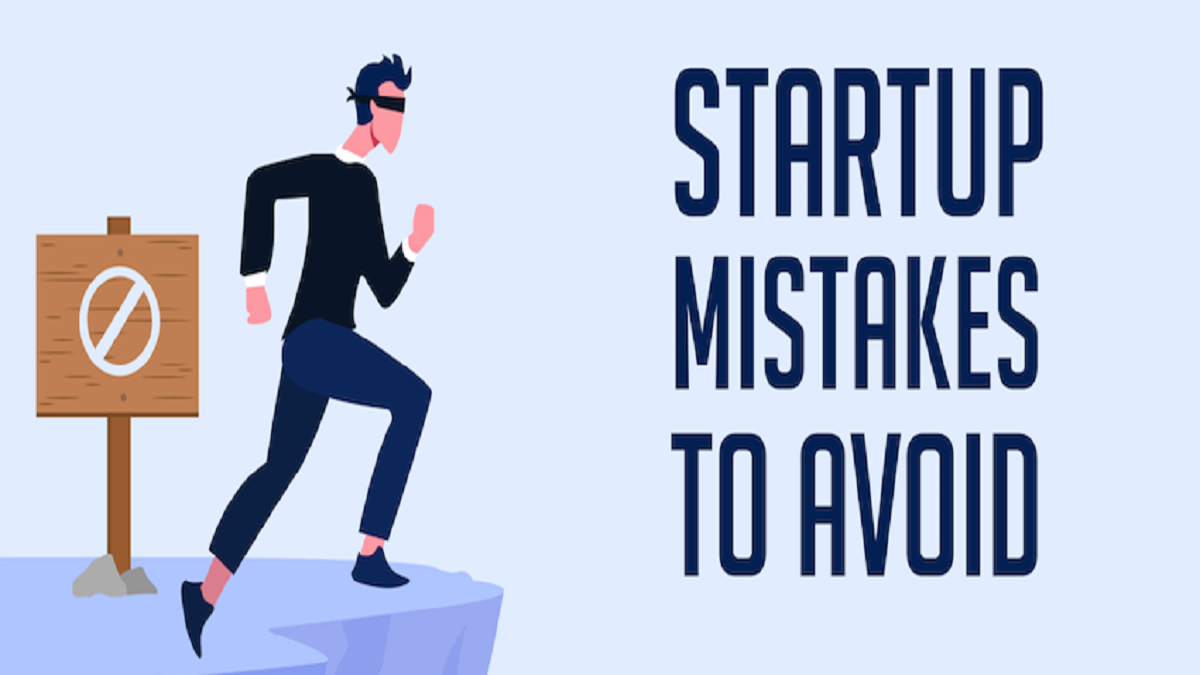
Many promising businesses struggle during the transition from startup to scale-up because they underestimate the complexity of growth.
Some hire too aggressively before establishing the right processes. Others expand into new markets before strengthening their core operations. Many founders continue trying to manage everything themselves instead of building leadership teams. Perhaps the most common mistake is believing that growth alone guarantees success.
In reality, sustainable growth requires discipline, planning, and the willingness to evolve. Companies that embrace change are far more likely to thrive than those that cling to startup habits for too long.
Conclusion
The journey from startup to scale-up is not simply about becoming bigger, it's about becoming better. Startups succeed because they are agile, innovative, and willing to take risks. Scale-ups succeed because they combine that entrepreneurial energy with strong leadership, scalable systems, specialized talent, and a commitment to operational excellence. Every growing business eventually reaches a point where improvisation is no longer enough. The companies that recognize this and adapt are the ones that transform short-term success into long-term growth.
If your business is beginning to scale, now is the time to invest in your people, processes, technology, and culture. Because the goal is not just to grow fast, it's to build an organization that can sustain that growth for years to come.