
- Posted on
- • Uncategorized
Why Social Commerce Is Replacing Traditional Online Stores in 2026: The Future of Online Shopping
- Author
-
-

- User
- AishaEDW
- Posts by this author
- Posts by this author
-

The way people shop online is changing faster than ever. In 2026, businesses are coming so that customers no longer need to jump between websites, engines like Google, and checkout pages just to make a purchase. Instead, they want a seamless shopping delight in which they can discover, compare and buy goods without leaving their favorite social media platform.
This shift has spurred the upward thrust of social commerce, a rapidly growing fashion that is revamping shopping and challenging the dominance of traditional online shops.
If you are a business owner, entrepreneur, or marketer, knowledge on social commerce are critical to staying aggressive within the contemporary digital marketplace.
What Is Social Commerce?
Social commerce is the system of instantly promoting products and services through social media platforms. Unlike traditional e-commerce, where customers are directed to a separate website, social commerce allows users to browse products, interact with manufacturers and make an entire purchase within the social media platform
Popular structures using social commerce include:
- Facebook Shops
- Instagram Shopping
- TikTok Shop
- Pinterest Shopping
- WhatsApp Business
These platforms have transformed social media from a place of entertainment and communication to effective income streams.
Why Social Commerce Is Growing So Fast in 2026
Consumers spend most of their time on social media Today’s consumers spend hours every day scrolling through social media feeds. Instead of searching for products in online stores, they regularly find merchandise through films, influencer suggestions and subsidized content. Businesses follow consumer behavior by bringing their products at once where customers are already spending their time. This creates a more natural buying experience and increases the chances of a sale.
Social proof drives purchasing decisions Trust is one of the biggest factors of all affecting online purchases. When customers see likes, comments, reviews, and consumer-generated content content, they leverage confidence in a product. Social commerce leverages this "social proof" to help consumers make faster choices. A product displayed by real users frequently feels more appropriate than a product displayed on an independent site.
Shorter customer journeys mean more sales Traditional online shops generally take a few steps before a customer can complete a purchase:
Visit the Internet site
Browse products
Add items to the cart
Create an account
Enter payment information
Complete checkout
Each additional step increases the likelihood of cart abandonment. Social business is simplifying the method with the help of reducing the number of clicks needed to make a purchase, mainly higher conversion fees and more customer reports
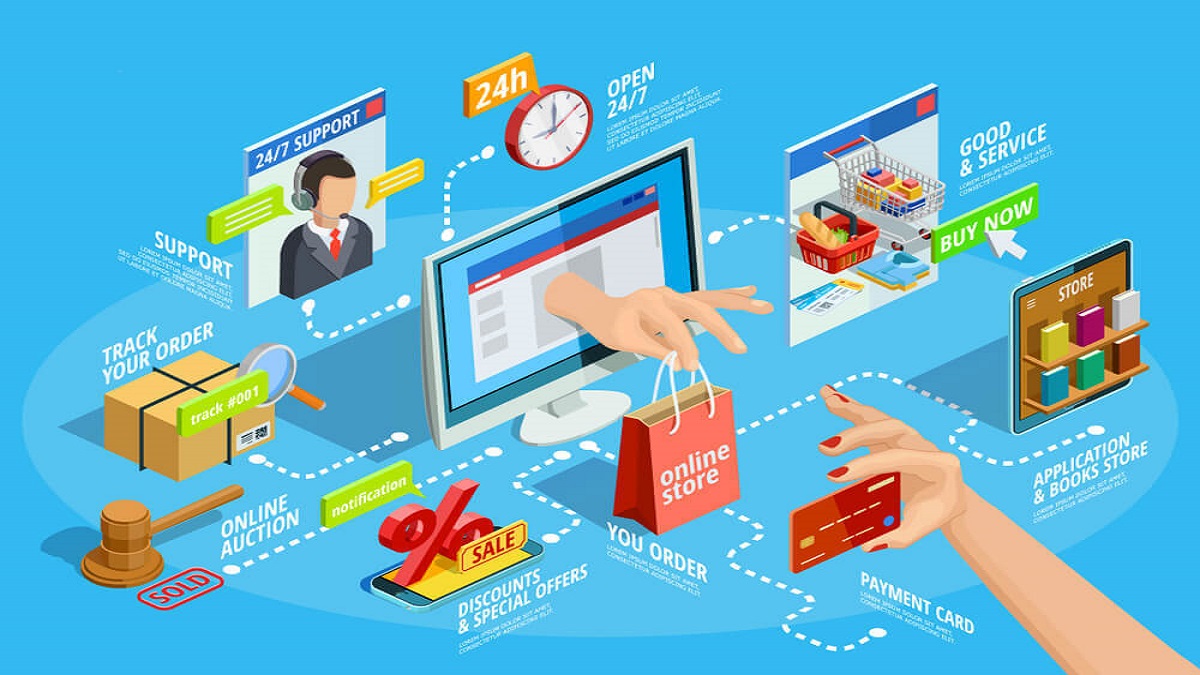
Video Content Influences Buying Behavior Short-form film has become one of the easiest advertising materials available. Platforms like TikTok, Instagram Reels, and Facebook Videos allow corporations to depict merchandise in action, solve buyer questions, and display blessings within seconds. Video content helps customers capture merchandise faster and creates more powerful emotional connections than static product pages.
Direct Communication Builds Trust One of the major benefits of social commerce is the possibility to talk to customers instantly. Through comments, direct messages, live streams, and chat functions, groups can resolve questions immediately and address consumer concerns before they escalate into sales limitations. This personalized approach helps build more powerful consumer relationships and encourages repeat purchases.
Benefits of Social Commerce for Businesses
Businesses of all sizes are embracing social business because of the many benefits it offers:
Increased Brand Visibility Social media algorithms can expose the item to millions of potential customers without the need for high-value ad campaigns.
Lower Marketing Costs Businesses can leverage natural content, influencer partnerships, and customer-generated content to effectively attract additional value to buyers.
Higher Customer Engagement
Unlike traditional online shops, social commerce encourages conversation, interaction and networking around products and types.
Improved Conversion Rates
By reducing friction within the buying process, social commerce helps agencies convert more visitors into paying customers.
Better Customer Insights
Social structures provide valuable analytics that help businesses understand buyer preferences, behaviors, and buying patterns.
Are Traditional Online Stores Becoming Obsolete? Not entirely. Traditional online shops still offer blessings that involve more manipulation of branding, consumer data, stock management and website optimization.
But the fate of e-commerce is increasingly aiming for integration instead of isolation. Successful groups combine social commerce with traditional on-line shops to create a seamless omnichannel shopping experience.
Customers can additionally discover the product on social media, interact with the symbol through messages, and complete their purchase on the platform or corporate website.
The Future of Online Shopping
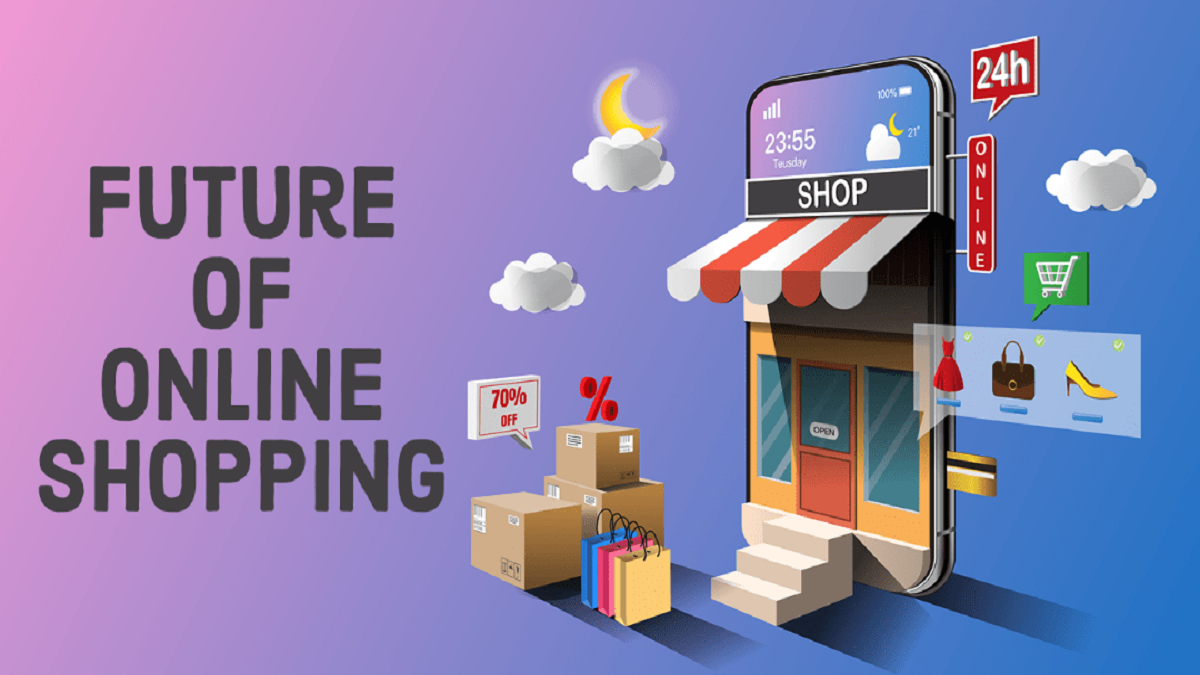
As social media infrastructures make their buying talent bigger, social business is forecast to become the number one revenue stream for plenty of agencies.
Consumers demand convenience, authenticity and the right of instant access to goods. Social commerce delivers all three. Businesses that adapt in this way can be better positioned to reach modern-day customers, meet growth engagement and drive sales in increasing numbers in an aggressive marketplace.
Conclusion
Social business isn’t a trend—it’s the fate of online shopping. Combining product discovery, social interaction, customer consideration and seamless purchasing, social commerce offers a joy that traditional online stores often fight favorably.
As we move through 2026 and past, corporations that incorporate social commerce will reap huge benefits in attracting customers and increasing sales. The future of e-commerce isn’t just online, it’s social.