
- Posted on
- • Uncategorized
How to Create a Realistic Business Budget: A Step-by-Step Guide for Small Business Success
- Author
-
-

- User
- AishaEDW
- Posts by this author
- Posts by this author
-
Running a successful business isn't just about making sales, it's about knowing where your money is going and ensuring every naira or dollar works for your business. One of the most important tools for achieving this is a realistic business budget. Many small business owners struggle with budgeting because they either underestimate expenses, overestimate revenue, or fail to track their finances consistently. The result? Cash flow problems, unexpected financial stress, and missed growth opportunities.
The good news is that creating a business budget doesn't have to be complicated. With the right approach, you can build a budget that helps you control expenses, improve profitability, and make smarter business decisions.
In this guide, you'll learn exactly how to create a realistic business budget that supports long-term business success. What Is a Business Budget?
A business budget is a financial plan that estimates your expected income and expenses over a specific period, usually monthly, quarterly, or annually.

A well-planned budget helps you:
- Track business income and spending
- Manage cash flow effectively
- Prepare for unexpected expenses
- Set realistic financial goals
- Make informed business decisions
- Increase profitability
Think of your budget as a roadmap that helps you stay financially focused while growing your business. Why Every Small Business Needs a Budget Without a budget, it's easy to lose track of spending and make decisions based on guesswork.
A realistic budget helps you:
Improve Cash Flow Management Cash flow is one of the biggest challenges facing small businesses. A budget helps you predict when money will come in and when expenses will go out.
Control Business Expenses Budgeting allows you to identify unnecessary spending and allocate resources more effectively.
Plan for Growth Whether you're hiring employees, purchasing equipment, or expanding into new markets, budgeting helps ensure you can afford your growth plans.
Reduce Financial Stress Knowing exactly where your business stands financially gives you confidence and reduces surprises.
Step 1: Review Your Business Income

The first step in creating a realistic budget is understanding how much money your business earns. Look at:
- Monthly sales revenue
- Service income
- Product sales
- Other sources of business income
If your income fluctuates, calculate your average monthly revenue over the last 6 to 12 months. Avoid assuming future sales will always increase. Use actual historical data whenever possible.
Example If your business earned:
- January: ₦500,000
- February: ₦450,000
- March: ₦550,000
Your average monthly income is: ₦500,000 This provides a more realistic starting point for your budget.
Step 2: List All Fixed Expenses

Fixed expenses are costs that remain relatively consistent each month. Examples include:
- Shop rent
- Office rent
- Internet subscriptions
- Software subscriptions
- Salaries
- Loan repayments
- Insurance
Write down every recurring expense and calculate the monthly total.
Step 3: Calculate Variable Expenses
Variable expenses change depending on business activity. Examples include:
- Inventory purchases
- Packaging materials
- Delivery costs
- Utility bills
- Marketing expenses
- Transportation
- Sales commissions
Review past records to estimate these costs accurately. Many businesses underestimate variable expenses, which can lead to budgeting problems later.
Step 4: Include Hidden and Seasonal Costs

One common budgeting mistake is forgetting irregular expenses. Examples include:
Equipment repairs
Business licenses
Tax payments
Staff training
Holiday promotions
Website maintenance
Even if these costs don't occur every month, they should still be included in your annual budget. Set aside funds monthly to cover them when they arise.
Step 5: Set Financial Goals

Your budget should support your business goals. Examples include:
- Increasing monthly profit by 15%
- Expanding inventory
- Hiring new staff
- Opening a second location
- Investing in marketing
Having clear goals makes budgeting more strategic rather than simply tracking expenses.
Step 6: Create an Emergency Fund

Unexpected expenses can happen at any time. Examples include:
- Equipment breakdowns
- Supplier price increases
- Economic downturns
- Emergency repairs
Aim to save a portion of your monthly revenue into an emergency fund. Many financial experts recommend maintaining at least three to six months of operating expenses as a safety buffer.
Step 7: Monitor and Track Spending

Creating a budget is only the beginning. You should regularly compare:
- Budgeted expenses
- Actual expenses
- Budgeted revenue
- Actual revenue
This helps identify areas where spending is exceeding expectations. Regular monitoring allows you to make corrections before small issues become major financial problems.
Step 8: Use Budgeting Tools and Software
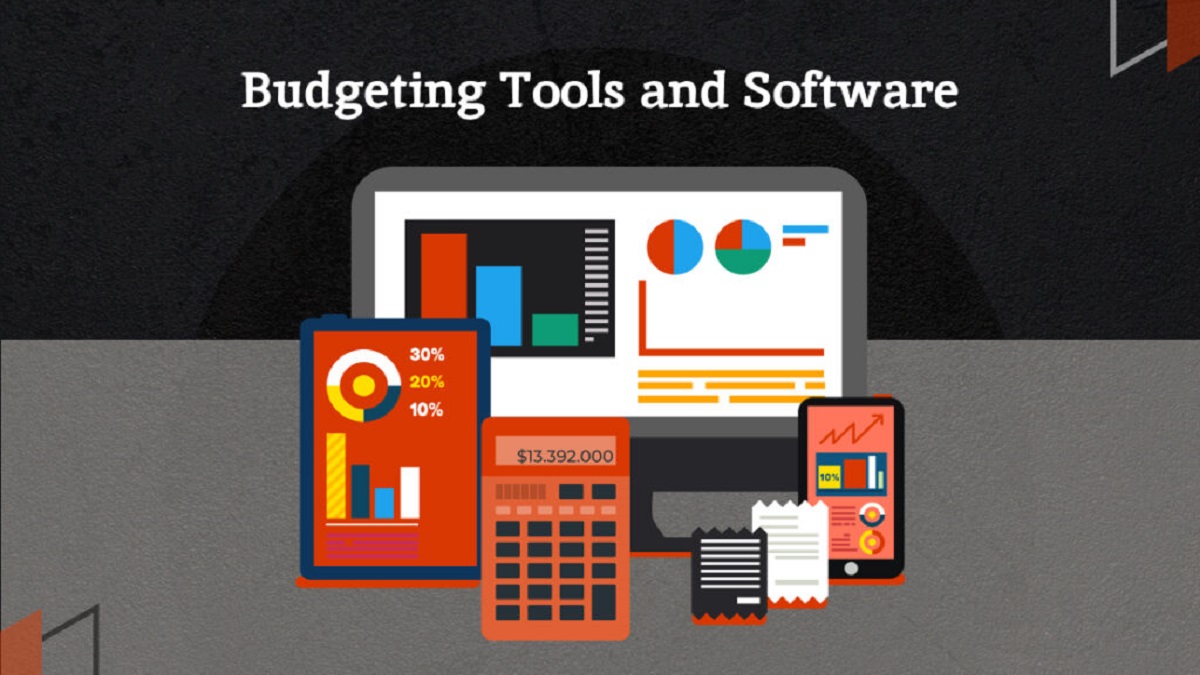
Manual budgeting can become difficult as your business grows. Business management tools can help automate budgeting and financial tracking.
Useful features include:
- Expense tracking
- Sales recording
- Inventory management
- Profit calculation
- Financial reporting
Using digital tools reduces errors and gives you better visibility into your business finances.
Common Business Budgeting Mistakes to Avoid

- Overestimating Revenue
Always budget based on realistic sales expectations rather than optimistic projections.
- Ignoring Small Expenses
Small expenses add up quickly. Record every business expense, no matter how minor it seems.
- Failing to Update the Budget
A budget should be reviewed regularly to reflect changes in your business.
- Not Planning for Emergencies
Unexpected costs are inevitable. Always include a contingency fund.
- Mixing Personal and Business Finances
Keep separate accounts for personal and business transactions to maintain accurate financial records.
Sample Small Business Budget Structure
- Category Monthly Amount
- Revenue ₦500,000
- Rent ₦80,000
- Salaries ₦120,000
- Inventory ₦150,000
- Utilities ₦20,000
- Marketing ₦30,000
- Transportation ₦15,000
- Miscellaneous ₦10,000
- Emergency Savings ₦20,000
- Estimated Profit ₦55,000
This simple structure provides a clear view of your business finances and helps you make informed decisions.
A realistic business budget is one of the most powerful tools for building a profitable and sustainable business. It helps you manage cash flow, control expenses, prepare for unexpected costs, and make better financial decisions. Remember, budgeting is not about restricting your business, it's about giving your money a purpose.
Start with accurate income estimates, track every expense, review your budget regularly, and use technology to simplify the process. Over time, you'll gain greater financial control and position your business for long-term success.
The businesses that succeed are often not the ones that make the most money, they are the ones that manage their money the best.